

Public transport is a vital part of any city. We can’t imagine our daily lives without buses, trains, and taxis. All this transport helps us get around. Today, we’re talking about public transport in Liverpool. Read on for more about the history and specifics of Liverpool’s transport on the liverpool-future.com website.
What visitors to Liverpool should know
Liverpool is a tourist city, so there are many travellers here. For the convenience of Liverpudlians and visitors alike, the city has buses, the Merseyrail urban rail network, ferries, and taxis. You can also hire bicycles. The Merseytravel website has information on transport schedules, ticket prices, and more. It’s also a very convenient tool for travellers as it allows you to plan your route around the city.
It’s worth noting that tickets in our city are divided into several types: for buses, a pass for a week, a month, or a year. There is also a day ticket for all modes of transport.
Buses: Liverpool’s most popular form of transport
Buses are a popular choice in our city. There are intercity services (which depart from the National Express stop) and city buses that serve Liverpool and its suburbs.
For tourists, there are special tour buses, City Sights and City Explorer by Maghull, operating in the centre of Liverpool.
In addition, each bus station has a tourist information office where staff can help tourists plan a convenient and comfortable route. You can also get a free map and find out the bus schedule. A major advantage for residents and tourists is that you can connect to Wi-Fi on the bus for free. However, this is only for 20 minutes.
Liverpool’s railway
Merseyrail is Liverpool’s railway network, which runs between 68 stations, including four underground stations. The total length of the route is about 120 kilometres. It’s worth noting that there are both overground and underground stations.
An interesting fact from our city’s history: the world’s first railway (where trains ran on a fixed schedule) was built between Liverpool and Manchester. Construction of the railway track began in 1823, and it became operational seven years later. The railway was 56 kilometres long and was used to transport raw materials and various goods between the ports. After this historic event, railway tracks began to be built in other cities and countries.
Other forms of transport
In addition to buses and trains, you can also use other forms of transport in Liverpool:
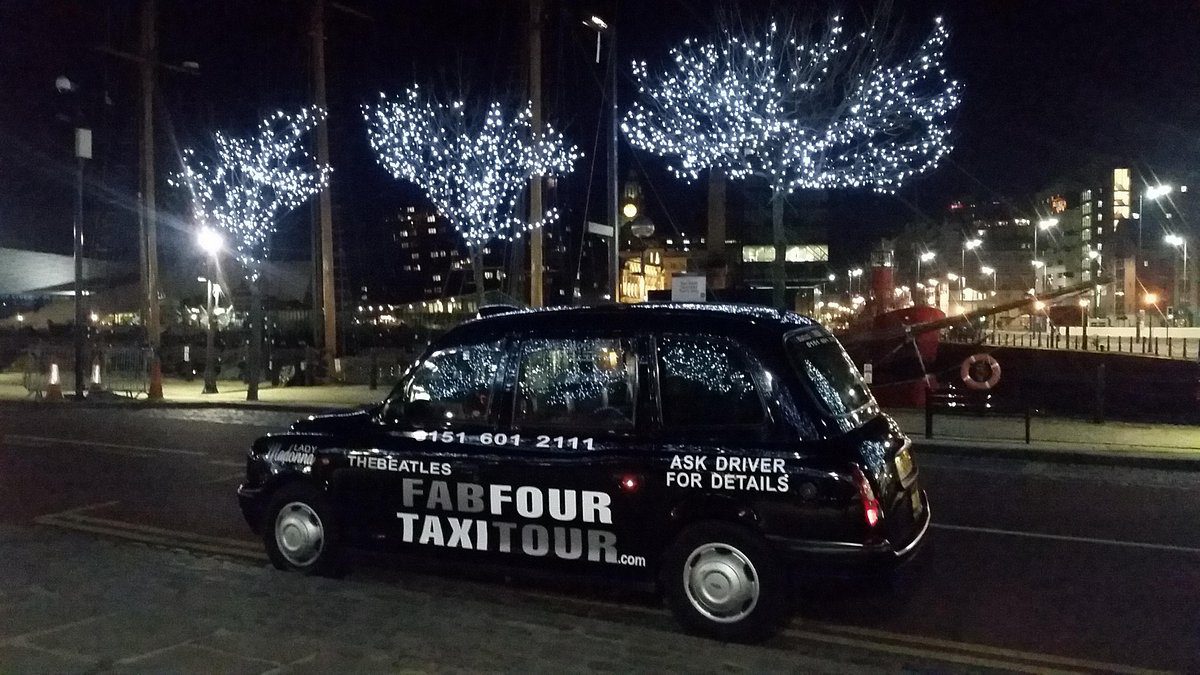
- Taxis. Taxis are another popular choice for residents and tourists. The largest taxi rank is located at Lime Street Railway Station. You can also hail a taxi on the street by waving your hand. However, you need to look for one detail: if the taxi’s light is orange, it’s free. You can pay for taxis in Liverpool with cash or a bank card.
- Bicycles. Since our city is not a megalopolis, it is convenient to get around by bicycle. Liverpool has many bike racks, special cycle paths, and rental points. This means you can rent a bike in one part of the city and leave it in another.
- Ferries. Not every tourist city has a ferry. Liverpool can boast of having this mode of transport. Tourists really enjoy a ride on the River Mersey, Liverpool Bay, and the Manchester Ship Canal.
These are the types of public transport you can use in Liverpool. We hope you found this information interesting and useful.