

In Liverpool and across the county of Merseyside, there has recently been a significant focus on renewable energy and achieving net-zero emissions in the near future, reports the liverpool-future website. One of the most promising avenues is the use of renewable energy from sources such as the sea and the sun. Will this truly have a positive impact on the region’s environment in the future? Are there realistic plans to gradually replace traditional energy with renewables? Let’s explore what is known.
Water Resources: A Chance to Change the Future
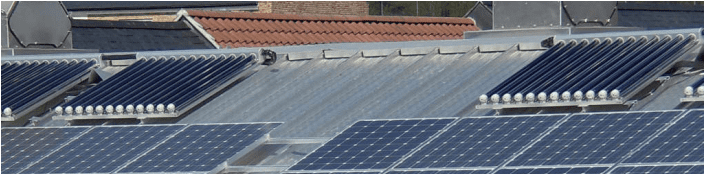
Solar power is thriving in Merseyside. A great number of homes in the region are equipped with rooftop solar panels, and special programmes are even available to make installation more affordable. But that’s not all. Marine renewable energy has the potential to make a huge contribution to reducing harmful emissions.
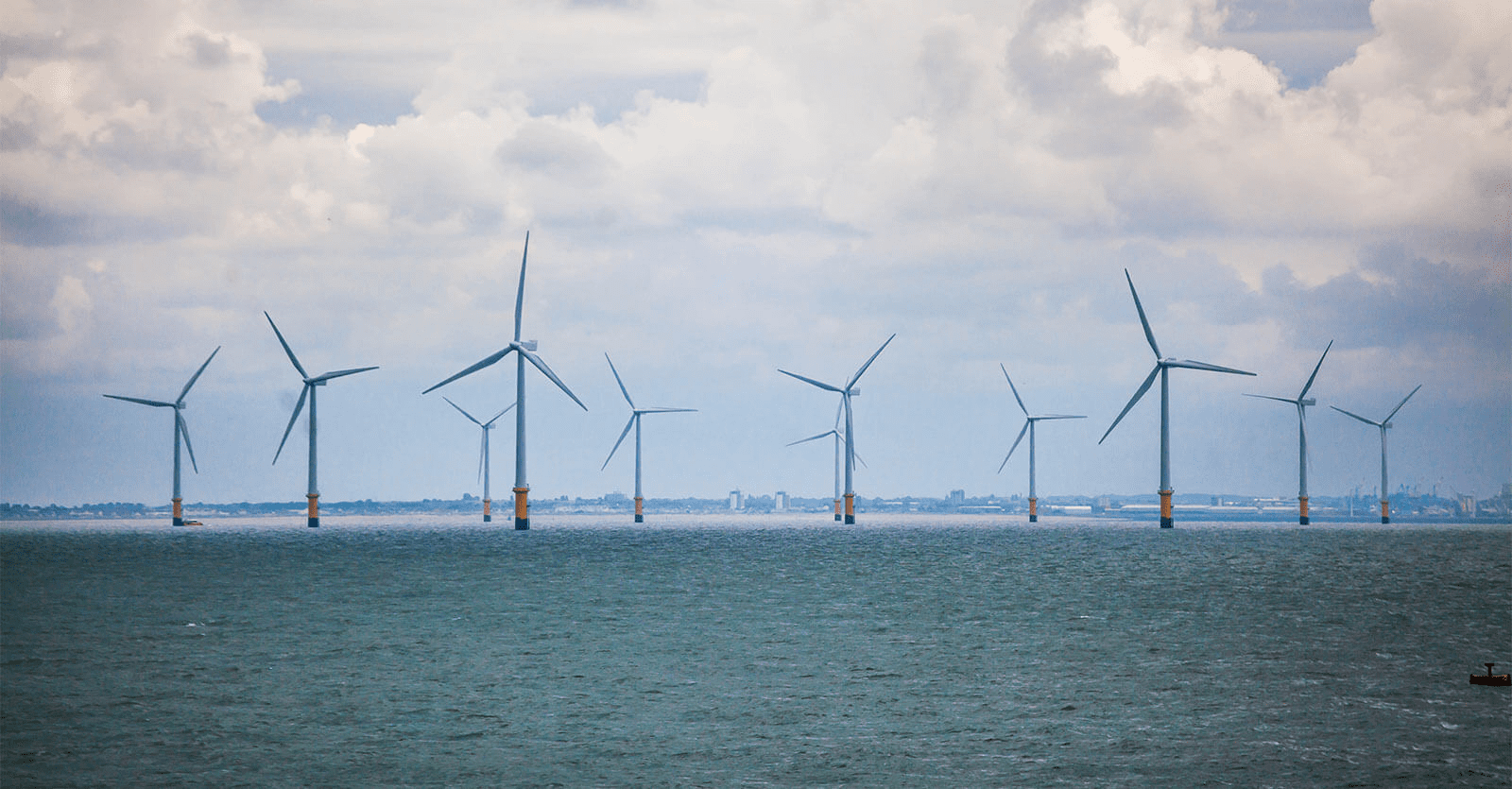
Great Britain’s island location, surrounded by the sea, offers enormous potential that has yet to be fully realised. However, the chances are good, as energy can be harnessed from tides, waves, and even offshore wind. The UK government is banking on this, and Merseyside, in particular, has excellent resources and prospects for implementing such programmes. In late 2021, the government announced annual investment in tidal power.
Of course, the field of blue-green energy still requires further research, development, and investment. Its implementation will take time. However, steps are being taken in this direction. Some promising areas include:
- biofuel from algae;
- geothermal energy;
- hydrogen storage and transport.
All of this is key to a more environmentally friendly Liverpool in the future.
The Goal of Net-Zero: When Will It Be Reached?
Net-zero carbon emissions is a goal that has been frequently discussed in Britain recently. The country is moving in this direction, stating that it will achieve this goal by 2050, thanks to blue-green energy. By 2030, the plan is to reach a target of 40 GW of offshore wind capacity. To achieve net-zero later on, this capacity will need to be tripled.
As for Liverpool, it aims to become a net-zero carbon city by 2040. This is no easy task, but it is hardly unrealistic. It will, however, require significant changes in how we produce and consume energy, as well as in our infrastructure and transport networks. The benefits of these changes will be felt by everyone who lives and works in Merseyside, and by future generations. The plan is already in place; it just needs to be implemented step by step.
Plans, Prospects, and Predictions
There is growing evidence that renewable energy will play an even more crucial role in the future of Merseyside and the entire country. The cost per unit of energy is likely to rise to cover the expenses required for decarbonisation—the reduction or complete elimination of greenhouse gas emissions, particularly carbon dioxide.
It is expected that this can be achieved through approaches that involve more efficient energy production. It is predicted that energy price fluctuations and supply issues will worsen in the coming years. The adoption of renewable energy technology could potentially mitigate the negative consequences of climate change while also benefiting the economy.
The potential of renewable and low-carbon energy has been noted in plans and programmes developed for the Liverpool City Region and Warrington. It is also a key point in the Regional Spatial Strategy for North West England, which sets targets for renewable and low-carbon energy.
Renewable Energy and the Economy

Let’s now discuss the link between renewable energy and the economy.
There is a compelling body of evidence indicating that the role of renewable energy in the country’s economy will continue to grow. However, this requires investment in carbon capture and storage technologies, the development of offshore wind turbines, and the replacement of nuclear power stations. Therefore, we must be prepared for a rise in electricity prices.
On the other hand, an economy heavily dependent on fossil fuels is prone to price fluctuations based on resource availability, extraction costs, and so on. When these prices rise, it severely harms economic performance. The adoption of renewable energy can potentially mitigate the negative impacts of these processes and of climate change. Furthermore, it will lead to new economic benefits, both short-term and long-term.
It is no surprise, then, that the UK government has introduced a complex system of regulations and incentives, ranging from marketing campaigns and grants to the implementation of energy performance certificates for many public and commercial buildings. Of course, there is still much work to be done in this area in Liverpool. For example, a clear programme is needed to adapt the UK’s energy grid, alongside efforts to ensure that Merseyside’s renewable energy sector fits into the overall economic structure.