
The Liverpool Metropolitan Railway is a unique suburban-urban rail system that serves the city and its Merseyside conurbation. It’s not like the standard metros in other cities and countries. Merseyrail, as it’s called, combines a metro system with a city-wide overground rail network, similar to Germany’s S-Bahn or Australia’s Cityrail. Read on for more details on liverpool-future.
How it all began
Merseyrail was launched in 1977, but it wasn’t Liverpool’s first metro system. It all started much earlier, in the late 19th century. At that time, Liverpool’s port was overcrowded with ships, goods, and workers, which created significant problems.
To solve the issue, the city council looked at the metro-building experience of the USA and decided to create its own port metro. However, instead of underground tracks, they installed elevated ones.
The system was named the Liverpool Overhead Railway (LOR). It was launched in 1893 and competed technologically with Chicago’s similar overground metro, winning on at least two counts. Firstly, it was equipped with an innovative automatic signalling system; secondly, it was electrified earlier.
The overhead metro was extremely popular, not only for its functionality but also for the beautiful views of the port, the city, and the River Mersey. The system was one of Liverpool’s most popular tourist attractions and gained international recognition.
However, after the end of the Second World War, the LOR system fell into decline, with most of it damaged. An analysis showed that the costs of restoration were too high, so a decision was made to dismantle it. This caused several protests, as Liverpudlians were very fond of their overground metro. But the protests were in vain—it was torn down in 1956.
Merseyrail
A city as large as Liverpool couldn’t do without a convenient urban transport system, so by the late 1960s, the authorities were thinking about a transport restructure. Engineers, having studied all the city’s tunnels and railways, created a plan to build a unique metro system—Merseyrail. The project involved restoring the Mersey railway route and creating a new urban underground tunnel. It was a true innovation, combining overground and underground lines into one concept.
Work began immediately, and in 1977, Liverpool’s first underground metro was opened. Officially, it has two branches—the Northern and Wirral Lines. The metro was an underground web of a loop line, as well as single and double-track tunnels.
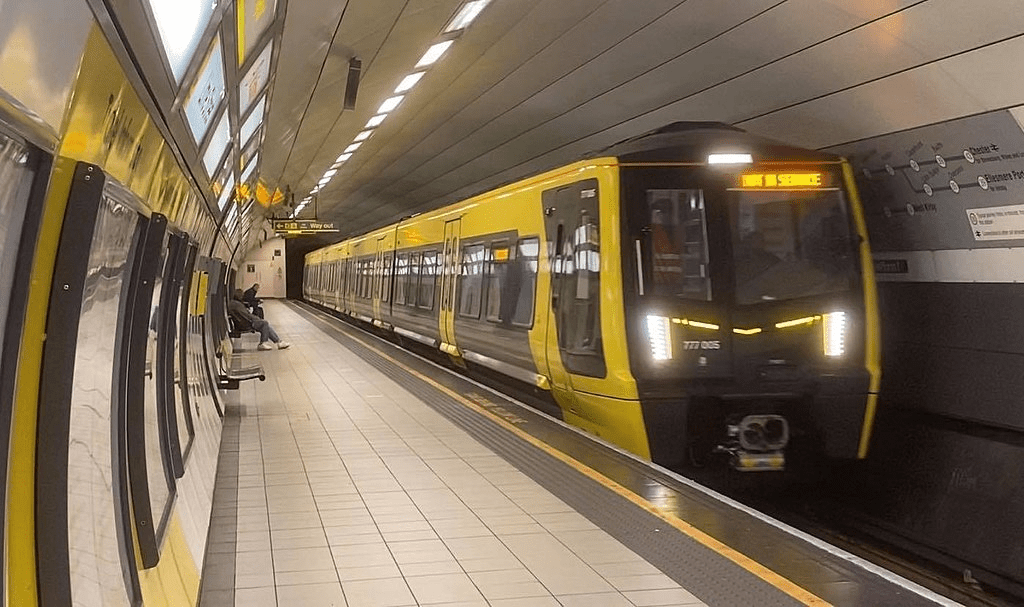
Another line, the City Line, was later integrated into the system. The first two lines are electrified and run in tunnels under the city centre, separate from other railway connections. Trains on these lines run at the most frequent intervals—during peak hours, the waiting time is only five minutes. The City Line operates a non-electrified train that takes passengers to neighbouring Manchester.
Merseyrail has quite a few stations—68 in total—and it’s easy for first-time passengers to get confused. For example, one of the stations, Maghull North, was opened in mid-2018 after a 20-year break. It is not the northernmost, but it is located much further north than the almost identically named Maghull station, which often causes confusion. But while within the underground part of the system, the location of stations only matters for route planning, it’s necessary to be more careful with the suburban part of Merseyrail, where a zone-based fare system is in effect.
Features
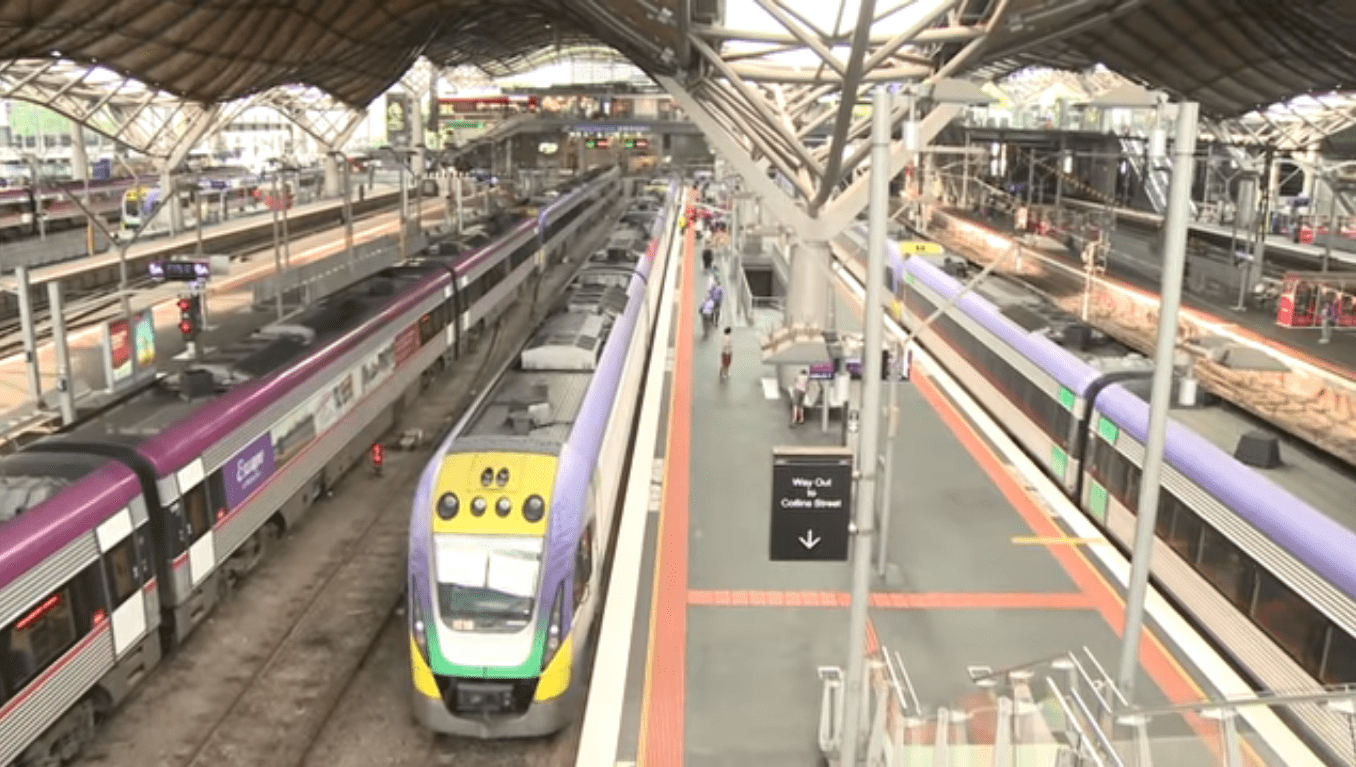

One of the metro’s landmarks is its rolling stock. It’s over 40 years old, making it one of the oldest trains in Great Britain. It has retained its authentic atmosphere, with enthusiasts noting that it has the spirit of “Yellow Submarine” and The Beatles.
The metro actively supports cycling enthusiasts. For the convenience of cyclists, there are over fifty secure bike parks. Access to the storage area is only possible with a security device, which can be obtained by applying online.
The Liverpool metro is known for its fight for good passenger behaviour and etiquette. As part of a programme against people putting their feet on seats, fare dodgers, and other rule-breakers, a special service of officers has been established to maintain order.
Innovations
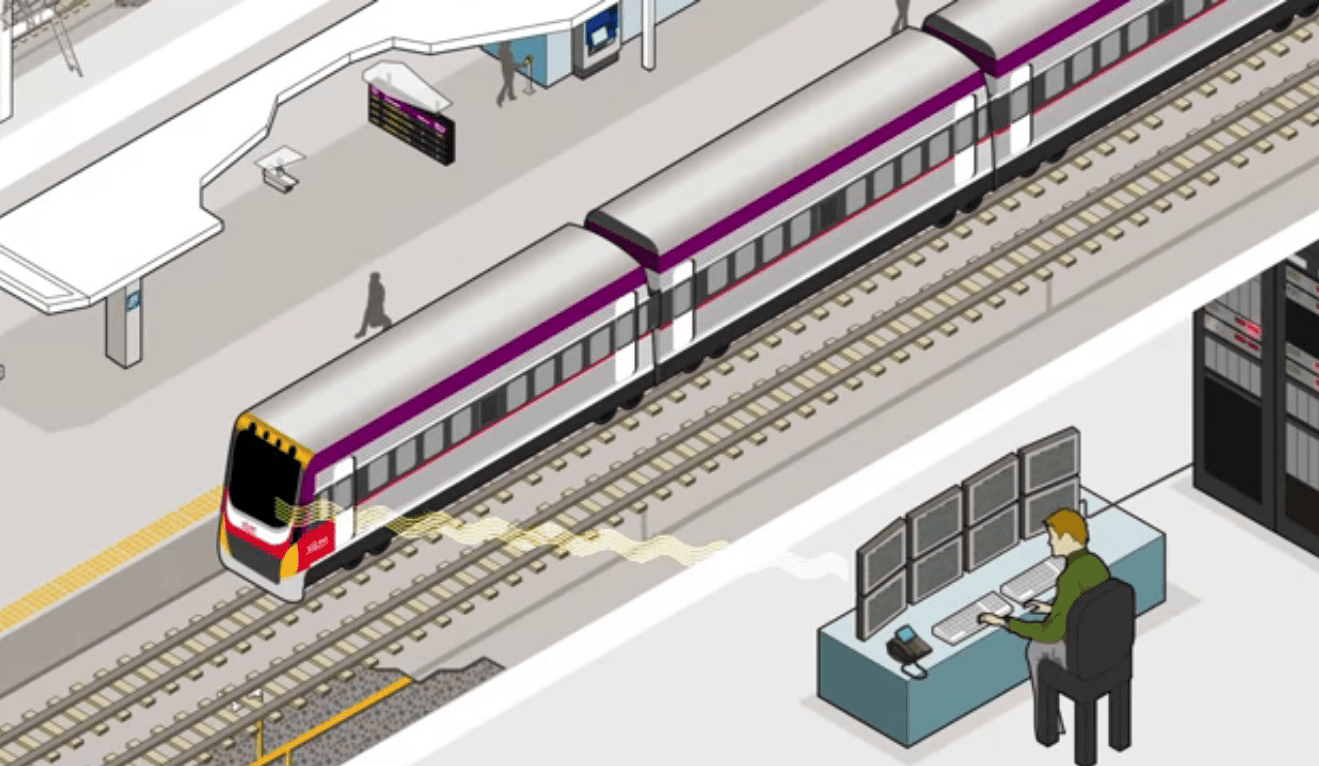
In recent years, new trains have been actively introduced into the metro system. The fleet, which includes over 50 trains, features not only old machines but also new autonomous battery-powered electric units. These are the first trains of their kind to operate in Great Britain.
These 65-metre-long trains can reach speeds of up to 80 km/h and operate on a 750V rail network. The battery has a range of 55 km and can be fully charged via the third rail in just 15 minutes. In addition, a return system has been developed that stores energy from braking and returns it to the battery.
Today, the Liverpool metro is a very popular form of public transport. The system is constantly developing and improving, which in the future will allow it to become one of the fastest, most comfortable, and most environmentally friendly ways to get around the city.