
Liverpool has transformed into a key player in the UK video game industry, largely thanks to Psygnosis. This company, which started creating games in the 1980s, was later acquired by Sony and operated as Studio Liverpool. The city now attracts major international studios like Avalanche Studios and Universally Speaking, which are opening offices here, strengthening the local gaming ecosystem. Now, liverpool-future.com will delve into the past, present, and future of the exciting world of video games connected to Liverpool.
The city is home to over 50 active companies working on popular global gaming projects. Support from authorities and investors, collaboration between studios and educational institutions, and the region’s overall dynamism enable Liverpool to remain a vital UK gaming hub.
Let’s dive into the details, starting with the 1980s and concluding with future predictions.
From Psygnosis to the 90s Legacy: A Historical Dive
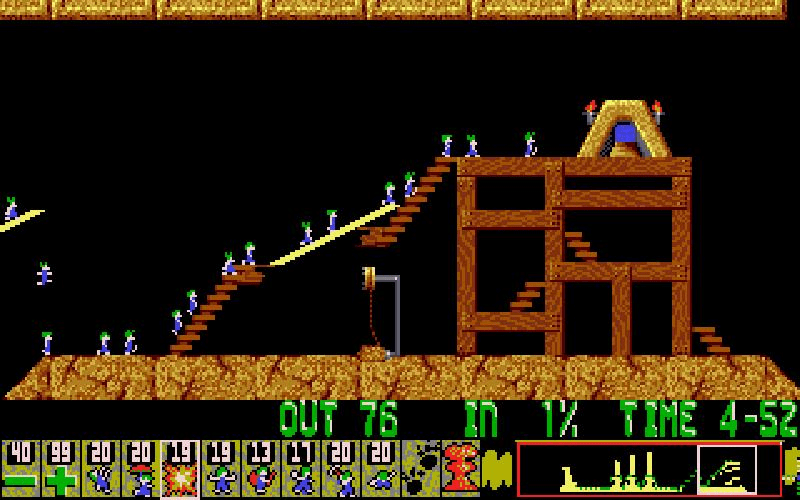
It all kicked off in a Liverpool office back in 1984 with the birth of Psygnosis. The name quickly became a household one for gamers worldwide, thanks to the studio’s bold visual style, top-notch graphics, and striking cover designs. Their games truly stood out, even amongst the giants of the era. Beyond the technical prowess, Psygnosis specialists had an original artistic vision, showcasing refined taste. It was here that a genuine classic, Lemmings, emerged, cementing the company’s international recognition.
But that was just the warm-up act. The real breakthrough arrived in 1995 when Psygnosis unleashed WipEout – a futuristic racer with an electronic soundtrack that became a symbol of a new age in video gaming. The game was a launch title for the original PlayStation, and its success helped Sony get a firm foothold in the market. This release well and truly put Liverpool on the gaming industry map – not as a provincial town with grand ambitions, but as a global trendsetter.
Even earlier, in 1993, Sony snapped up the studio, recognising its potential as a driver of creative innovation. This decision proved pivotal: it was through Psygnosis that the Japanese tech giant forged a connection with the European gaming audience. The company continued to develop games for several generations of PlayStation, remaining headquartered in Liverpool.
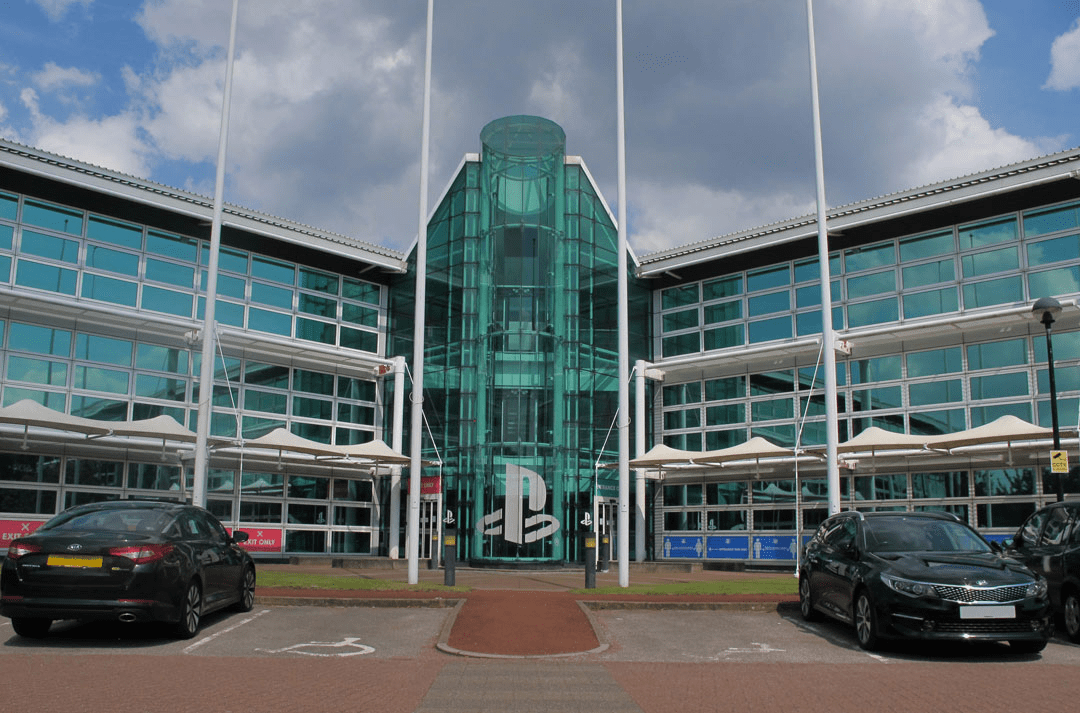
Although the Psygnosis brand ceased to exist in 2001, its influence is still keenly felt. Many former employees went on to establish new studios in Liverpool, passing on a culture of quality and creativity. This fostered a unique ecosystem, transforming the city into a fertile ground where world-class ideas can flourish.
The New Wave: Modern Studios and Investments
Liverpool didn’t fade into obscurity after the Psygnosis era. Quite the opposite, in fact. New studios began to spring up, blending technical mastery with creative daring. Some are busy crafting global blockbusters, others are pioneering innovative mechanics, and some are supporting other industry players. It’s not just the sheer number of companies that’s impressive, but the sheer diversity of their approaches and genres.
Avalanche Studios Group, renowned for the Just Cause series, opened an office in Liverpool in 2020. This marked their first foray into the region, a clear vote of confidence in the local talent pool. The Liverpool team was immediately drafted in to work on Contraband – an ambitious action game for Xbox. The company explicitly stated they chose the city due to its strong creative community and robust technical infrastructure.
Universally Speaking, a company specialising in video game localisation, testing, and audio production, opened its Liverpool office in 2022. The firm has been entrusted with projects for major brands, making its presence in the city another vital bridge between Liverpool and the global games industry. Notably, the company has collaborated with studios preparing releases for PlayStation and Nintendo.
Firesprite is one of the brightest modern success stories. The studio was founded by former Psygnosis employees, and by 2021, it had been acquired by Sony Interactive Entertainment. Firesprite develops games for VR and augmented reality, including The Persistence and Horizon Call of the Mountain. Their style is somewhat experimental, combining technical complexity with high aesthetics.
Lucid Games, established in 2011 after the closure of Bizarre Creations, is now known for its work on Destruction AllStars for PS5. The team actively collaborates with other studios, for example, contributing to the development of Sea of Thieves alongside Rare. The company’s specialists are well-versed in creating multiplayer games and excel at making them visually appealing.
Next up is d3t Ltd. This studio specialises in co-development. They don’t push their own franchises but instead help to complete major projects like Hogwarts Legacy, The Witcher 3, and Alan Wake Remastered. Their approach is precision engineering, aimed at ensuring games run stably across all platforms. This is a rare and invaluable profile within the industry.
Ripstone is an independent studio that champions atmospheric games. Their portfolio includes Poker Club, Pure Chess, and The Spectrum Retreat. They favour projects with a distinctive style and thoughtful gameplay, and they also publish games by other developers, helping them find their audience.
Scenegraph Studios is a smaller, yet equally fascinating, firm. They focus on visualisation technologies, simulations, and interactive design. Their specialisation cleverly blends classic game development with interactive visualisation for scientific applications.
What’s happening in Liverpool’s gaming industry isn’t a race to imitate, but rather a mosaic of original ideas. And when all these voices chime together, the city transforms into a powerful player in the field.
Ecosystem: Support, Education, and a Vibrant Community

Liverpool has cultivated a robust network of hubs that foster the growth of its gaming industry. One of the main draws is the Baltic Triangle, renowned for its creative studios, collaborative workspaces, and startups. Nearby lies the Knowledge Quarter, home to institutions dedicated to digital technologies and interactive design. And at Sci-Tech Daresbury, just outside the city, studios gain access to scientific infrastructure and technical support.
For newcomers and those looking to transition into the industry from other fields, educational programmes are available, notably at the Liverpool Media Academy and Digital Academy. These institutions train game designers, writers, and visual effects specialists. Within the GameChangers initiative, supported by local companies, joint training modules are created – allowing studios to play a direct role in preparing their future colleagues.

Equally important is the interaction that takes place beyond office walls. The Liverpool Game Dev Network is highly active in the city, and events such as the Liv Game Summit, Games Talks, and Game Audio Liverpool bring together developers, musicians, and artists. This informal environment for idea exchange often sparks new projects and partnerships.
Prospects and Challenges for Liverpool’s Gaming Industry
Liverpool’s gaming industry has plenty to shout about – it boasts major players and ample space for fresh ideas. But if the city wants to maintain and amplify this momentum, it will need to focus on developing education, retaining talent, and supporting independent studios. Competition from London and Manchester remains fierce, so it’s crucial to continue fostering an environment where people want to stay.
With this in mind, leadership qualities are becoming increasingly vital – traits that help in building successful collaborations, embracing new formats, and being willing to take risks. Where can one learn these? Some of Liverpool’s educational institutions are well-versed in leadership development pathways.

